Rolling Out an Integrated ERP Across First-Mile, Mid-Mile, and Last-Mile Operations for a Leading E-Commerce Logistics Arm
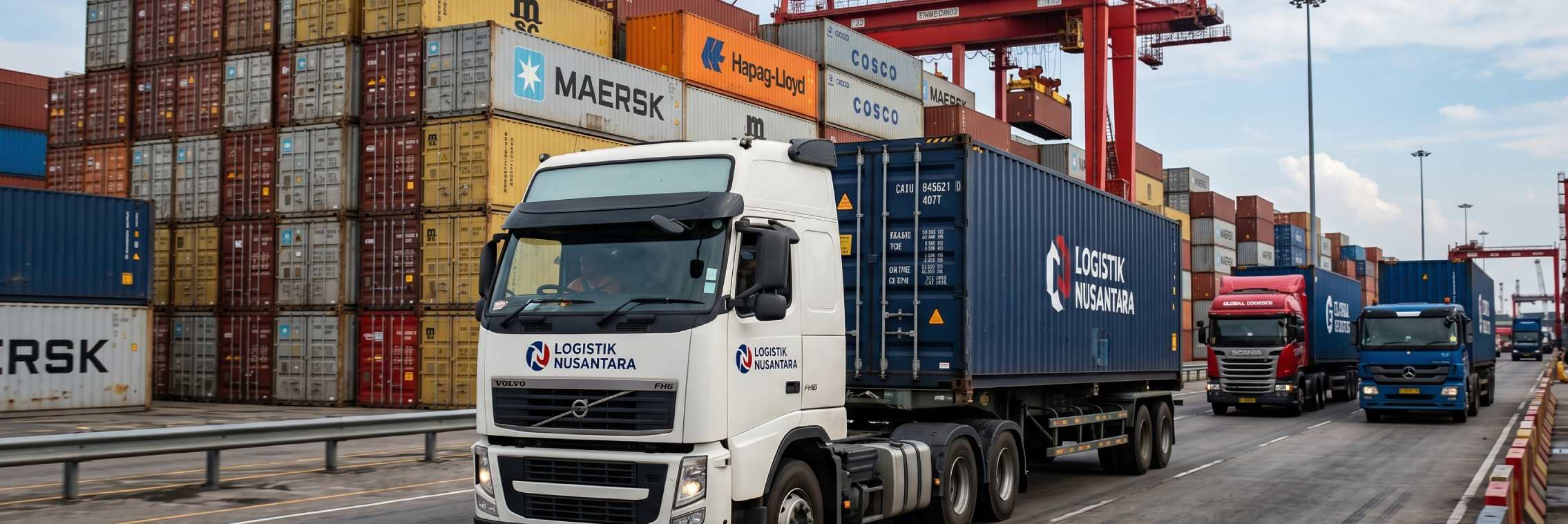
- Industry
- Transportation & Logistics
- Freight & Logistics
- Client
- Leading E-Commerce Logistics Arm
- Service
- Digital, Data & AI
- Solution
- ERP Roll-Out across First-Mile, Mid-Mile, and Last-Mile Operations
The Logistics Arm is the logistics operating business of a leading e-commerce platform, managing first-mile pickup, mid-mile line-haul, and last-mile delivery operations across a large regional network of hubs and sortation facilities. Prior to this engagement, core operational and financial data was managed across disparate systems with limited integration.
- Disparate systems managing operational and financial data separately across first-mile, mid-mile, and last-mile operations
- Limited integration between logistics operations data and financial reporting, slowing month-end close and reconciliation
- Inconsistent data standards across hubs and sortation facilities, complicating network-wide reporting
- Manual processes bridging gaps between operational systems and the finance function
- Limited scalability of existing systems to support the ERP roll-out required for continued network expansion
- An integrated ERP is foundational infrastructure for a logistics business operating at scale, connecting operational execution directly to financial and management reporting
- Manual reconciliation between operations and finance systems is a common source of reporting delay and error in fast-scaling logistics networks
- As network complexity grows across first-mile, mid-mile, and last-mile operations, a common system of record becomes essential to maintaining data integrity
- Absent an integrated ERP, continued network expansion increases reconciliation burden and reporting risk disproportionately to volume growth
ERP Readiness & Requirements Assessment
Assessed current systems and operational requirements across first-mile, mid-mile, and last-mile operations to define ERP scope and requirements.
ERP Solution Design
Designed the ERP configuration and data model to support integrated operational and financial processes across the network.
Data Migration & Integration
Migrated and integrated data from legacy systems into the new ERP platform, establishing consistent data standards across hubs.
Testing & Change Management
Conducted testing and delivered change management and training to prepare operational and finance teams for go-live.
Phased Go-Live & Stabilisation
Rolled out the ERP in phases across first-mile, mid-mile, and last-mile operations with a post-go-live stabilisation and support plan.
- ERP Solution Design & Configuration
- Integrated Operational & Financial Data Model
- Data Migration & Standardisation Plan
- Cross-Functional Testing Programme
- Change Management & Training Curriculum
- Phased Go-Live Roadmap
- Post-Go-Live Stabilisation & Support Plan
Integrated Operations & Finance
The ERP roll-out connected operational execution directly to financial reporting across the network.
Faster Financial Close
Reduced manual reconciliation shortened the time required for month-end close.
Consistent Network-Wide Data
Standardised data across hubs and sortation facilities improved the accuracy of network-wide reporting.
Scalable System Foundation
The new ERP platform gave the Logistics Arm a system of record capable of supporting continued network expansion.
- 30–40%
- Reduction in month-end close cycle time (approx.)
- 100%
- First-mile, mid-mile, and last-mile operations migrated to the integrated ERP
- 25%
- Reduction in manual reconciliation effort between operations and finance (approx.)
- 90%+
- Data standardisation achieved across hubs and sortation facilities (approx.)
- 15+
- Hub and sortation facilities onboarded to the new ERP (approx.)
- 20%
- Reduction in reporting errors post-implementation (approx.)
The Logistics Arm now has a single, integrated system of record connecting operations and finance across its network, not simply an upgraded system. Standardised data, faster financial close, and a stabilised platform let the business scale its network with confidence in the underlying data.
Download PDF
Get this full case study as a PDF, delivered straight to your inbox.