Reducing Fuel Consumption Through Diagnostics and Management Controls for a Leading Coal Mining Group
- Industry
- Energy & Natural Resources
- Mining
- Client
- Leading Coal Mining Group
- Service
- Operations & Transformation
- Solution
- Fuel Management Improvement through Diagnostics and Management Controls (Dashboards, Operational Meetings, and Short-Interval Control) to Drive Behavioural Change and Reduce Fuel Consumption
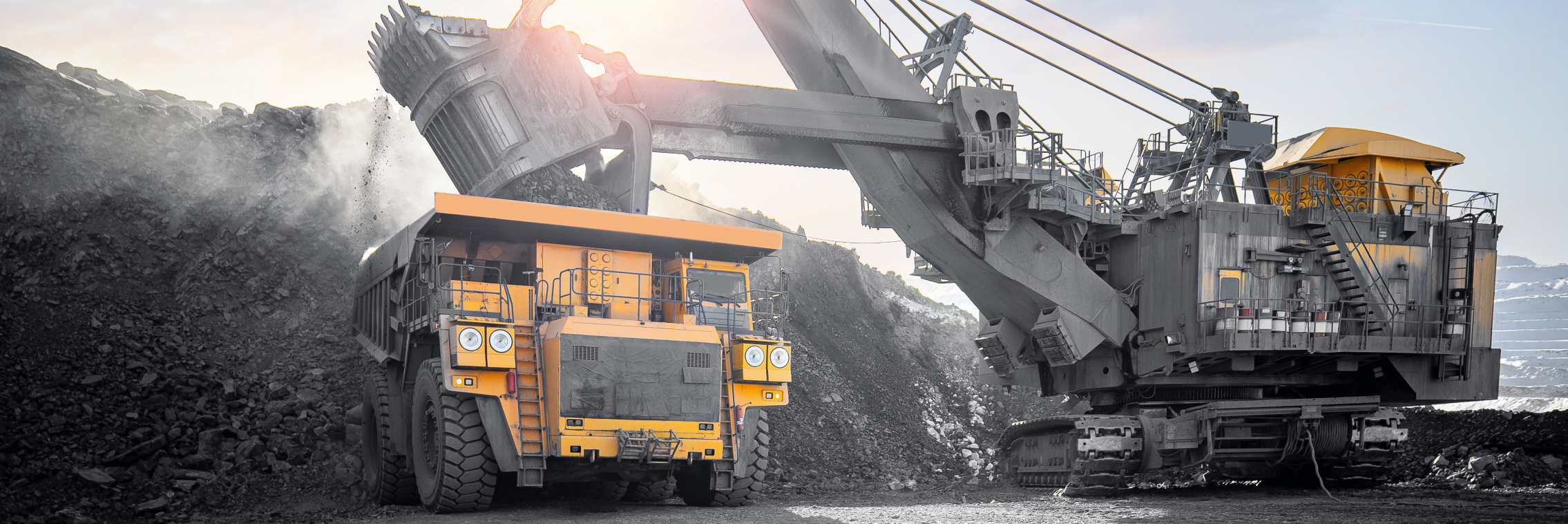
The Group is a leading coal mining business, operating large-scale mining operations with a substantial heavy equipment fleet for extraction, hauling, and processing. Fuel is one of the largest controllable operating costs across the Group's mining operations.
- Fuel consumption levels above what equipment specifications and mining conditions would suggest is achievable
- Limited diagnostic visibility into the specific drivers of excess fuel consumption across equipment and operators
- Inconsistent operator behaviour affecting fuel efficiency, such as idling time and operating patterns
- Absence of structured management controls such as short-interval control and regular operational review meetings focused on fuel performance
- Limited use of dashboards to make fuel performance visible to site leadership and operators in near real time
- Fuel is typically one of the top two or three largest controllable operating costs in open-pit coal mining, making fuel efficiency a high-leverage margin lever
- Behavioural and management-control-driven fuel savings are among the fastest-payback improvement levers available in mining operations, requiring limited capital investment
- Excess idling and inefficient operating patterns are well-documented, widespread challenges in heavy equipment fleets absent active management controls
- Absent diagnostics and management controls, fuel inefficiency stays buried as a hidden cost inside day-to-day operations
Fuel Consumption Diagnostic
Analysed fuel consumption data across equipment, operators, and mining areas to identify the largest drivers of excess consumption.
Root-Cause Analysis
Root-caused excess fuel consumption to specific equipment, operator, and process factors, distinguishing controllable from structural drivers.
Management Control System Design
Designed a management control system including fuel dashboards, short-interval control routines, and structured operational meetings.
Behavioural Change Programme
Delivered coaching and behavioural change interventions for operators and supervisors to reinforce fuel-efficient practices.
Rollout & Sustained Monitoring
Rolled out the management control system across mining areas with ongoing monitoring to sustain fuel savings.
- Fuel Consumption Diagnostic & Root-Cause Analysis
- Fuel Performance Dashboards
- Short-Interval Control Routine
- Structured Operational Review Meeting Cadence
- Operator Behavioural Change & Coaching Programme
- Fuel Efficiency Standards by Equipment Class
- Phased Rollout Roadmap
Reduced Fuel Consumption
Diagnostics-driven interventions and behavioural change reduced fuel consumption across the equipment fleet.
Improved Operator Behaviour
Coaching and short-interval control improved operator adherence to fuel-efficient operating practices.
Greater Performance Visibility
Fuel dashboards gave site leadership near real-time visibility into consumption trends and outliers.
Structured Management Routine
Regular operational meetings embedded fuel performance into the standard management cadence.
- 8–12%
- Reduction in fuel consumption across the equipment fleet (approx.)
- 20–30%
- Reduction in excess equipment idling time (approx.)
- 90%+
- Equipment fleet covered by fuel performance dashboards (approx.)
- 100%
- Mining areas operating under the short-interval control routine
- 15%
- Improvement in operator adherence to fuel-efficient practices (approx.)
- 1
- Structured fuel performance management routine established (approx.)
Dashboards, short-interval control, and structured operational meetings now keep fuel performance visible and actionable on an ongoing basis, well beyond a one-time saving. Reinforced operator behaviours and sustained monitoring maintain fuel efficiency gains across the Group's mining operations.
Download PDF
Get this full case study as a PDF, delivered straight to your inbox.